Brass Animal Sculpture vs. Bronze Animal Sculpture: Which Is Better for Outdoor Art?
When choosing an animal sculpture for a garden, estate, hotel, or public space, one of the most common questions is:
Should you choose a brass sculpture or a bronze sculpture?
Although both materials belong to the copper alloy family, they have different compositions, appearances, and performance characteristics. Understanding these differences can help you select the right sculpture for your project.
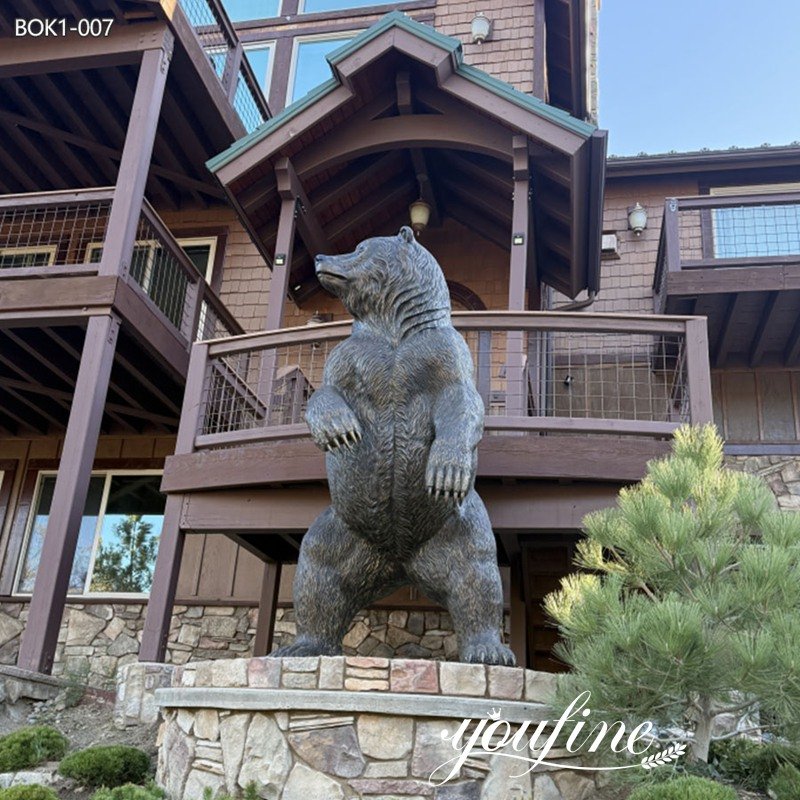
What Is the Difference Between Brass and Bronze?
The main difference lies in the alloy composition.
Material Main Components
Brass Sculpture Copper + Zinc
Bronze Sculpture Copper + Tin
Brass contains a higher percentage of zinc, while bronze contains tin and sometimes small amounts of other metals to improve durability.
Because of these different alloy formulas, the two materials develop distinct appearances and physical properties.
Appearance: Brass vs. Bronze Sculpture
Brass Sculpture
Brass has a bright golden color that resembles gold.
Its reflective surface creates a luxurious and eye-catching effect, making it popular for decorative indoor sculptures and ornamental pieces.
Advantages:
Bright golden appearance
Highly decorative
Attractive in modern interiors
Bronze Sculpture
Bronze has a deeper brown-gold tone and a more classic artistic appearance.
Many of the world's most famous sculptures are made from bronze because of its rich texture and timeless beauty.
Advantages:
Elegant and sophisticated look
Traditional artistic value
Suitable for both modern and classical architecture
For large outdoor animal sculptures, bronze animal statues generally create a more prestigious and enduring visual impact.
Durability and Strength
When investing in a sculpture, appearance is only part of the decision.
Long-term performance is equally important.
Brass Sculpture
Brass is relatively softer and more susceptible to:
Surface scratches
Deformation under impact
Corrosion in harsh outdoor environments
While it performs well indoors, it may require more maintenance outdoors over time.
Bronze Sculpture
Bronze is stronger and more durable.
It offers:
Excellent structural stability
Better resistance to weather
Greater corrosion resistance
Longer service life
This is why bronze has been used for monumental sculptures for thousands of years.
For large-scale outdoor animal sculptures, bronze is generally the preferred material.
Patina Protection: Why Bronze Ages Better
One of bronze's greatest advantages is the natural patina it develops over time.
This protective layer, often called a green or brown patina, forms naturally on the surface and helps shield the sculpture from further corrosion.
Benefits of bronze patina include:
Natural protection against moisture
Reduced oxidation damage
Unique artistic character
Increased historical and aesthetic value
Although brass can also oxidize, the protective effect is typically less stable than the patina formed on bronze.
As a result, bronze sculptures often age more beautifully and require less intervention over decades of outdoor exposure.
Which Material Is Better for an Animal Sculpture?
If your priority is:
Lower initial cost
Bright golden appearance
Indoor decorative use
A brass sculpture may be a suitable choice.
However, if you are looking for:
Long-term durability
Superior corrosion resistance
Strong structural performance
Beautiful natural patina
Timeless artistic value
A bronze sculpture is the better investment.
Final Thoughts
Both brass and bronze have their own advantages, but for most outdoor animal sculpture projects, like mermaid statues for seaside, bronze remains the industry standard.
Its durability, strength, weather resistance, and protective patina make it ideal for gardens, luxury estates, resorts, public parks, and commercial landscapes.
While a brass sculpture offers a brighter golden appearance, a bronze sculpture delivers greater longevity and lasting artistic value—qualities that matter most when investing in a sculpture designed to be admired for generations.


评论
发表评论